
The Isle of Beauty reveals its treasures through a natural and cultural heritage of exceptional richness. Between paradise coves with turquoise waters, majestic mountains and perched historic towns, Corsica offers a diversity of landscapes unique in the Mediterranean. What to do in Corsica then becomes a thrilling question, as the opportunities for escape are endless.
From Bonifacio, suspended above the waves, to UNESCO-listed nature reserves, by way of long-distance hiking trails and dream beaches, the island unveils 25 must-see sites that shape its identity. This selection guides you through the discovery of Corsica’s wonders, blending mountain authenticity, maritime splendour and heritage riches to compose an unforgettable journey at the heart of the Mediterranean.
Discovering Corsica’s Iconic Towns
Corsica reveals its finest urban jewels through towns steeped in history and character. Each one tells part of the island’s soul, blending Mediterranean heritage, Corsican traditions and breathtaking scenery. From the imperial capital to perched citadels, these destinations offer an authentic immersion in the Corsican art of living.

Ajaccio, the Imperial City and Its Treasures
Capital of Southern Corsica, Ajaccio fascinates with its unbreakable bond with Napoleon Bonaparte. The Maison Bonaparte forms the historic heart of the town, where the future emperor was born in 1769. This family home, now a national museum, reveals the private life of the Bonaparte family and Napoleon’s Corsican childhood. Ajaccio’s old harbour, lined with palm trees and typical cafés, invites you to stroll facing the glittering gulf. The 16th-century citadel majestically dominates the bay, while the colourful market on Place Foch exhales the aromas of local gastronomy.

Bonifacio, the Citadel Perched on the Cliffs
Bonifacio offers a striking spectacle, perched on white limestone cliffs that plunge into the turquoise sea. This fortified medieval town reveals its cobbled lanes and houses suspended above the void. The King of Aragon’s Staircase, carved directly into the rock, descends vertiginously towards the sea and bears witness to the architectural feats of the past. The marina, nestled in a protected natural cove, welcomes sailing boats from all over the world in an exceptional setting.

Bastia and Calvi, the Authentic Charm of Upper Corsica
Bastia charms with its preserved authenticity and picturesque old port, where colourful façades are reflected in the clear water. This former Genoese capital retains its lively, mercantile soul. Further north, Cap Corse reveals authentic fishing villages.
Calvi spreads its charms between a fine sandy beach and the Citadel of Calvi, a Genoese fortress dominating the bay. This historic citadel, reputedly the birthplace of Christopher Columbus, offers unforgettable panoramas over the Corsican mountains and the Mediterranean.
Exploring the UNESCO-Listed Natural Wonders
Corsica is home to exceptional natural treasures recognised by UNESCO for their universal value. These remarkable sites testify to the geological and ecological richness of the Isle of Beauty, offering visitors breathtaking landscapes sculpted by millennia of marine and terrestrial erosion.

Scandola Nature Reserve, a Maritime Jewel
The Scandola Nature Reserve, France’s first combined land and marine reserve, is an exceptional sanctuary of Mediterranean biodiversity. Accessible only by sea, this site, protected since 1975, shelters remarkable marine fauna and colonies of seabirds nesting in its red porphyry cliffs. Boat excursions allow you to admire its sea caves, natural arches and spectacular volcanic formations 250 million years old.

Calanques of Piana, Sculptures of Red Granite
The Calanques (Calanche) of Piana offer a striking geological spectacle with their unique formations of pinkish-red granite. These natural sculptures, shaped by erosion, create a fantastical landscape of peaks, needles and anthropomorphic shapes that fire the imagination. The contrast between the flamboyant red of the rock and the deep blue of the Mediterranean composes an unforgettable palette of colour.

Gulf of Porto, an Exceptional World Heritage Site
The Gulf of Porto encompasses these wonders in a grandiose natural setting listed as a UNESCO World Heritage Site since 1983. This international recognition underlines the exceptional importance of this geological and scenic ensemble, unique in the Mediterranean. Visitors can explore this mosaic of natural wonders thanks to numerous boat excursions departing from Porto, revealing the magnificence of this preserved natural heritage.
Escaping to Corsica’s Paradise Islands
The Isle of Beauty reveals its most precious jewels off its coasts: preserved archipelagos with turquoise waters and breathtaking landscapes. These natural sanctuaries offer an enchanted interlude, accessible on day trips from the Corsican ports. Between exceptional seabeds and grandiose panoramas, these islands are essential destinations for any traveller in search of escape.

Lavezzi Islands, an Archipelago of Crystal-Clear Waters
The Lavezzi Islands archipelago unveils a fascinating mineral universe, sculpted by the elements. Its remarkably transparent waters invite snorkelling in a preserved natural aquarium. Marine fauna thrives here in a setting of pink granite, offering magical encounters with groupers, rainbow wrasse and shoals of sea bream. The emerging rock formations create natural pools of intense blue, true havens for swimming.
- A protected nature reserve with preserved ecosystems
- Discovery trails winding through granite chaos
- Fine sandy beaches with shallow waters
Sanguinaires Islands, Magical Sunsets
The Sanguinaires Islands take their name from the crimson reflections they offer at sunset. The emblematic lighthouse of the Grande Sanguinaire, a witness to Corsican maritime history, dominates this granite archipelago. These wild islets shelter a remarkable endemic flora and form a privileged vantage point to admire the most beautiful sunsets in the Mediterranean, in an absolutely stunning postcard setting.
Diving into History at the Heart of Corsica
Corsica reveals its historic treasures through emblematic sites that tell the island’s soul. From the central mountains to the coasts of Balagne, every stone bears witness to a rich and eventful past, offering visitors an authentic immersion in the Corsican heritage.

Corte, the Former Capital and Its University
At the heart of the island, Corte stands proudly with its citadel perched on a rocky spur. This 15th-century fortress, a symbol of Corsican independence, today houses the Museum of Corsica. This unmissable place presents the island’s identity through exceptional ethnographic collections, from pastoral traditions to artisanal know-how.
The University of Corte, founded by Pascal Paoli in 1765, testifies to the Corsican nation’s desire for intellectual emancipation. Its historic buildings and heritage library enrich the cultural discovery of this dynamic university town.
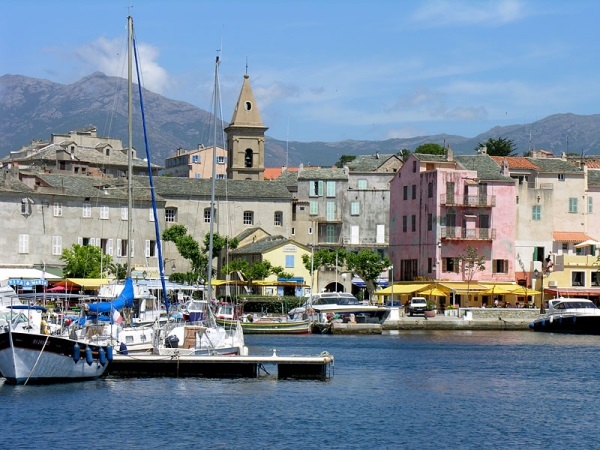
Saint-Florent and Île-Rousse, Pearls of Balagne
The Balagne region reveals its wonders between sea and mountain. Saint-Florent, nicknamed the “little Corsican Saint-Tropez”, charms with its 15th-century Genoese citadel and its picturesque marina. The cobbled lanes lead to striking panoramas over the gulf.
Île-Rousse, founded by Pascal Paoli, seduces with its ochre façades and its famous Place Paoli. The villages of Balagne complete this discovery:
- Sant’Antonino, a perched village with medieval lanes
- Pigna, a recognised craft and music centre
- Corbara, dominated by its Baroque church
This exceptional historic heritage makes Balagne an outstanding territory for understanding the authentic Corsican soul.
Enjoying the Finest Beaches in the Mediterranean
Corsica offers exceptional seaside treasures, true jewels of the Mediterranean. These paradise beaches combine crystal-clear turquoise waters and preserved landscapes, offering visitors unforgettable experiences in an exceptional natural setting.

Palombaggia Beach, Fine Sand and Umbrella Pines
The Palombaggia Beach embodies Mediterranean perfection with its immaculate white sand and its famous century-old umbrella pines. This natural marvel located near Porto-Vecchio unveils turquoise waters of striking clarity. Pink granite rocks punctuate the landscape harmoniously, creating intimate coves perfect for relaxation. Palombaggia offers various water activities: paddleboarding, kayaking and snorkelling reveal the underwater riches of this preserved site.

Santa Giulia Beach, a Lagoon of Tropical Colours
The Santa Giulia Beach fascinates with its tropical-lagoon appearance in turquoise and emerald hues. This horseshoe-shaped bay offers an idyllic setting with its shallow waters, perfect for families. Water activities abound here: sailing, windsurfing and water-skiing in a safe environment. The mountainous hinterland completes this enchanting picture, creating a striking contrast between sea and relief.

Saleccia Beach, the Wild Paradise of the Agriates
The Saleccia Beach, a jewel of the Agriates Desert, represents Corsican authenticity in all its splendour. Accessible only by hiking trail or by boat from Saint-Florent, this wild beach rewards adventurers with its raw beauty. The kilometre of immaculate white sand bordered by crystal-clear waters is reminiscent of the Caribbean. The preserved beaches of the Agriates form a natural sanctuary where nature reigns supreme, far from any urbanisation.
Hiking in the Corsican Mountains
The Corsican mountains offer an exceptional playground for hikers, blending rugged relief, preserved forests and breathtaking panoramas. This Isle of Beauty reveals its finest secrets through a network of hiking trails that wind between granite peaks and glacial valleys, promising unforgettable adventures at the heart of a wild landscape.

Bavella Needles, Cathedrals of Granite
The Bavella Needles dominate the landscape with their jagged silhouettes, creating a theatrical setting unique in the Mediterranean. These towers of red granite offer several routes suited to all levels, from the family trail to technical climbing routes. The hike to the Trou de la Bombe (“Bomb Hole”) rewards walkers with a breathtaking view over the entire massif. The mountain refuges allow you to extend the exploration and observe the endemic fauna, notably the Corsican mouflon that roams these rocky heights.
Restonica Gorges, a Spectacular Glacial Valley
The Restonica Gorges are one of the island’s natural jewels, sculpted by Quaternary glaciers. This glacial valley leads to the Melo and Capitello lakes, true high-altitude gems nestled at over 1,700 metres. The trail, dotted with natural pools of crystal-clear water, invites a refreshing swim after the effort. Traditional shepherds’ huts line the route, testifying to the age-old pastoral activity that still shapes these mountain landscapes.
GR20, the Legendary High-Mountain Trail
The GR20 crosses Corsica from north to south over 180 kilometres, standing out as one of the most demanding long-distance trails in Europe. This mountainous backbone reveals the diversity of Corsican ecosystems, from Laricio pine forests to bare ridges. Unlike the Customs Officers’ Path that runs along the coast, this high-altitude route requires serious physical preparation but offers total immersion in wild and authentic Corsica.
Discovering the Preserved Forests and Natural Spaces
Corsica reveals its best-kept treasures through its ancient forests and exceptional natural spaces. These sanctuaries of biodiversity, protected within the Regional Nature Park, offer visitors a total immersion in preserved and authentic nature.
Aïtone Forest, Century-Old Laricio Pines
The Aïtone Forest is one of the island’s forest jewels. Its majestic centuries-old Laricio pines rise towards the sky, forming an impressive natural cathedral. These giants can reach 50 metres in height and several centuries in age. The waymarked trails wind between these colossi, leading to the famous natural pools of the Aïtone Waterfalls. The equipped picnic areas allow you to savour a meal in the heart of nature, lulled by birdsong.

Ospedale Forest, a Green Haven of the South
Located in the hinterland of Porto-Vecchio, the Ospedale Forest unveils a unique woodland landscape composed of maritime pines and holm oaks. The artificial lake that runs through it creates a perfect aquatic setting for observing wild fauna. Wild boar, foxes and numerous bird species roam freely in this protected environment. The natural waterfalls of Piscia di Gallu offer a refreshing spectacle, particularly appreciated in summer.
Fango Valley, a Sanctuary of Biodiversity
Classified as a biosphere reserve by UNESCO, the Fango Valley represents an ecosystem of exceptional richness. This glacial valley shelters a remarkable endemic flora and forms a refuge for many animal species. The gorges sculpted by the river reveal crystal-clear natural pools, while the chestnut and oak forests offer welcome coolness to hikers.
Practical Tips for Organising Your Stay in Corsica
When to Go and How Long to Stay
The best season to discover Corsica runs from May to September, with an ideal climate between June and September. To avoid the crowds while enjoying pleasant temperatures, favour May-June or September. A stay of 7 to 10 days allows you to explore the island properly, while two weeks offer a complete immersion between Upper Corsica and Southern Corsica. Hiking enthusiasts will particularly appreciate spring and autumn, when nature reveals its finest attire.
How to Get Around and Where to Stay
Renting a car remains essential to explore the Isle of Beauty freely. Book your vehicle in advance, especially in high season. The Corsican roads wind through breathtaking landscapes but require caution and patience.
For accommodation, several options are available to you:
- Charming hotels in seaside resorts such as Porto-Vecchio
- Rural gîtes for an authentic experience in the hinterland
- Seaside campsites for a budget-friendly stay
- Guesthouses with locals to discover Corsican hospitality
- Holiday residences to enjoy independent accommodation, often with a pool or on-site services.
Budget and Useful Information
Plan for an average budget of 80 to 120 euros per day for two people, including accommodation, meals and activities. Prices rise noticeably in July and August, particularly in the tourist areas of Porto-Vecchio or the west coast.
Don’t miss the local culinary specialities: artisanal charcuterie, ewe’s-milk cheeses, chestnuts and Corsican wines will deliciously accompany your discoveries. The local markets are brimming with regional produce at gentler prices than the tourist restaurants.
Remember to bring sun cream, hiking shoes and a swimsuit. Corsica has unforgettable moments in store for you, between turquoise sea, majestic mountains and authentic perched villages.
Frequently Asked Questions
How many days are needed to visit Corsica’s must-see sights?
To discover the main Corsican wonders, allow 7 to 10 days minimum. A two-week stay allows a more in-depth exploration including hikes, beaches and cultural sites. The ideal itinerary combines Upper Corsica and Southern Corsica, with a base in each region to optimise travel and make the most of every destination.
What is the best time to discover Corsica?
The ideal season runs from May to September, with a perfect climate from June to September. To avoid the tourist crush while benefiting from pleasant temperatures, favour May-June or September. These periods offer more attractive rates, fewer crowds at the sites and optimal conditions for hiking and swimming.
How to travel easily between the must-see sites?
Renting a car remains essential to explore Corsica freely. The roads are in good condition but sometimes winding in the mountains. Allow for longer journey times than on the mainland. The ferry connects the island from Nice, Marseille or Toulon, while flying offers a faster alternative to save time on your stay.
What are the essentials for a first trip to Corsica?
On a first visit, focus on the essentials: Bonifacio and its cliffs, imperial Ajaccio, the Scandola reserve, the beaches of Porto-Vecchio such as Palombaggia, the Bavella needles, and Calvi with its citadel. These emblematic sites offer a perfect overview of Corsican diversity between heritage, nature and coastline.
Can you visit Corsica on a small budget?
Yes, Corsica can be discovered even on a tight budget. Favour camping or rural gîtes, prepare your meals with local market produce, and take advantage of the many free hikes and freely accessible beaches. Travelling off-season also allows you to considerably reduce accommodation and transport costs.
What activities can you do in Corsica as a family with children?
Corsica offers many family-friendly activities: fine sandy beaches such as Santa Giulia, easy hikes to natural pools, a visit to the Poudrière aquarium in Bastia, the discovery of tortoises at A Cupulatta near Ajaccio, and glass-bottomed boat excursions to observe the seabed without getting wet.
The Isle of Beauty Awaits You
Through these 25 must-see sights, Corsica reveals all the richness of its natural and cultural heritage. From the citadels of Bonifacio and Calvi to the reserves of Scandola and Bavella, by way of the paradise beaches of Palombaggia and Santa Giulia, each site tells a unique facet of the island’s soul. This exceptional diversity makes the Isle of Beauty a privileged destination where crystal-clear sea, preserved mountains and authentic traditions blend harmoniously.
Your trip to Corsica promises unforgettable discoveries, whether you are a hiking enthusiast, a history lover or in search of idleness on dream beaches. Start planning your stay now to fully experience the magic of this Mediterranean island with a thousand faces.